





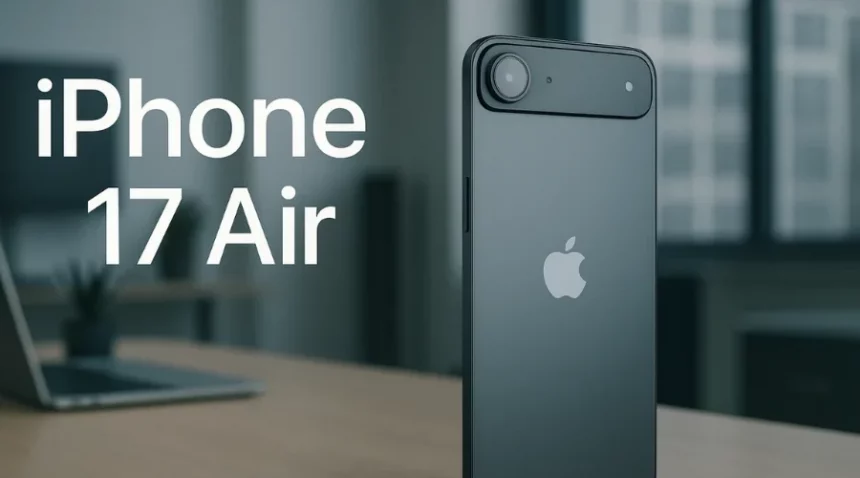
The Ultra-Thin iPhone 17 Air, set to debut at Apple’s “Awe Dropping” event on September 9, 2025, at Apple Park in Cupertino, California, represents a bold leap in smartphone design. As a new addition to the iPhone 17 lineup—alongside the standard iPhone 17, iPhone 17 Pro, and iPhone 17 Pro Max—the iPhone 17 Air introduces a sleek, ultra-thin form factor, replacing the less popular iPhone Plus model. With a thickness of just 5.5mm, advanced display technology, and Apple’s latest silicon innovations, this device aims to capture the attention of style-conscious consumers while maintaining robust functionality. This 1200-word blog explores the features, specifications, design, industry trends, and practical tips for engaging with the iPhone 17 Air, offering a comprehensive guide for tech enthusiasts and potential buyers.






The Evolution of iPhone Design
Since the original iPhone in 2007, Apple has continually refined its smartphone designs, balancing aesthetics, functionality, and innovation. The iPhone 6, at 6.9mm, held the title of Apple’s thinnest iPhone for a decade until now. The iPhone 17 Air, with its 5.5mm profile (excluding the camera bar), surpasses even the Samsung Galaxy S25 Edge (5.8mm) and competes with ultra-slim devices like Huawei’s Mate XT Ultimate. Unveiled alongside the Apple Watch Series 11, Ultra 3, and AirPods Pro 3, the iPhone 17 Air contributes to Apple’s 13.5% Q3 2025 iPhone revenue surge ($44.6 billion). Positioned as a mid-tier option, it blends premium features with a minimalist design, appealing to users who prioritize portability and style.
Key Features and Specifications
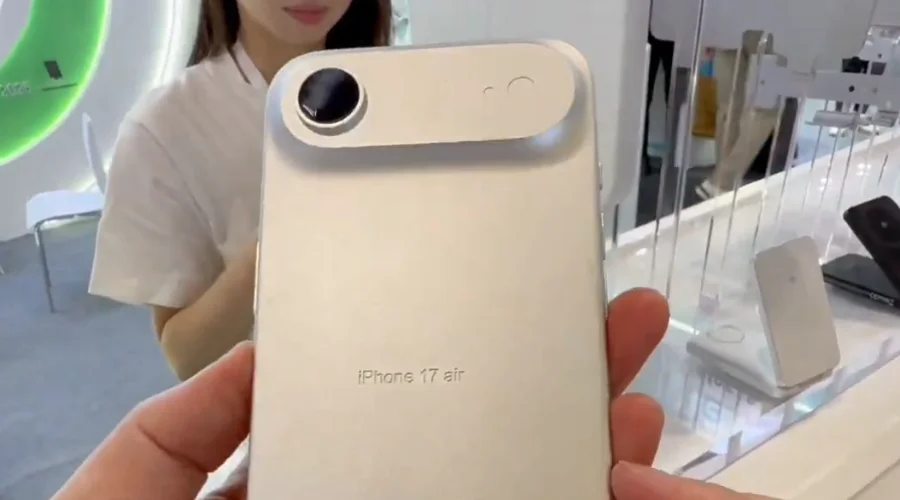
Drawing from credible sources, the iPhone 17 Air introduces a host of innovative features, balancing its ultra-thin design with practical functionality. Here’s a detailed breakdown:
1. Design and Build
- Ultra-Thin Chassis: At 5.5mm thick (9.5mm including the camera bar), the iPhone 17 Air is the thinnest iPhone ever, weighing approximately 145 grams thanks to a hybrid titanium-aluminum frame. This lightweight build enhances portability without compromising durability.
- Camera Bar Design: Features a single 48MP rear camera in a horizontal “camera bar,” a departure from the traditional square bump, maintaining a sleek aesthetic. The camera bar adds slight thickness but ensures optical quality.
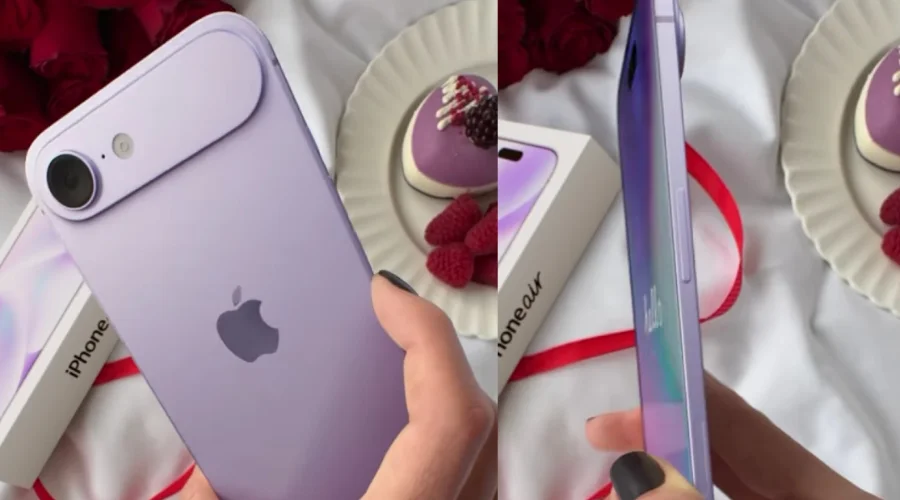
- Color Options: Available in Black, Silver, Light Gold, and a rumored Sky Blue, aligning with iOS 26’s vibrant Liquid Glass aesthetic.
- MagSafe Support: Retains MagSafe wireless charging, unlike the iPhone 16e, with a redesigned coil to fit the slim chassis.
2. Display
- 6.6-Inch OLED: Sports a 6.6-inch Super Retina XDR OLED display, positioned between the iPhone 17 (6.3-inch) and iPhone 17 Pro Max (6.9-inch). The display uses Novatek’s TDDI (Touch and Display Driver Integration) panel, integrating touch and display drivers for a thinner profile.
- ProMotion: Introduces a 120Hz refresh rate with LTPO technology, enabling smoother scrolling and animations, a first for non-Pro iPhones. It lacks the 1Hz always-on capability of Pro models.
- Brightness and Durability: Offers up to 2,000 nits peak brightness and an anti-reflective, scratch-resistant coating, improving visibility and longevity.
3. Performance
- A19 Chip: Powered by a 3nm A19 chip (not the A19 Pro), paired with 8GB of RAM to support Apple Intelligence features and multitasking. While less powerful than the Pro models’ 12GB setup, it ensures efficiency for everyday tasks.
- Thermal Management: Uses a vapor chamber heatsink to mitigate thermal throttling, critical for the slim design during gaming or video playback.
- Storage: Starts at 128GB, with 256GB and 512GB options, catering to a wide range of users.
4. Camera System
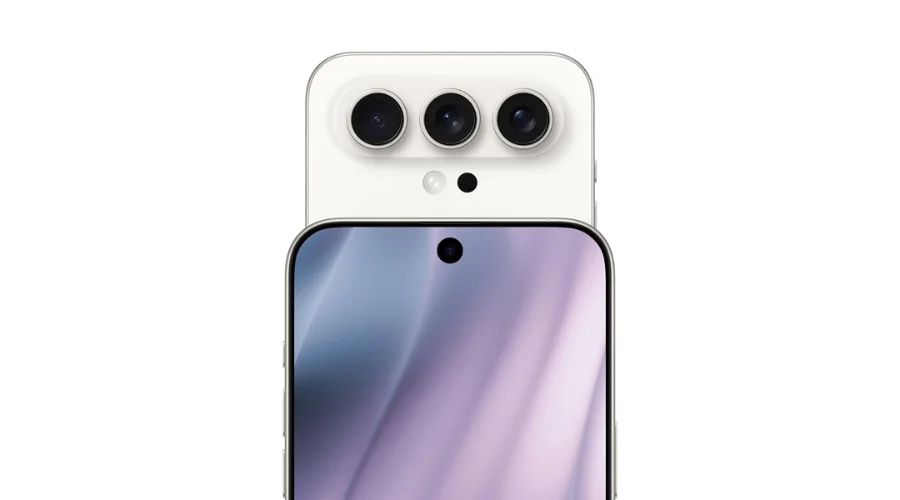
- Single Rear Camera: Features a 48MP main sensor with 2x optical zoom via intelligent cropping, but lacks ultrawide or telephoto lenses, a compromise for its thin design. This limits spatial photo/video support for Apple Vision Pro.
- Front Camera: Upgrades to a 24MP TrueDepth camera, positioned to the left of the Dynamic Island, enhancing selfie quality and video calls.
- Software Features: Leverages iOS 26’s Visual Intelligence for AI-driven photo enhancements, including improved low-light performance and object recognition.
5. Connectivity
- Apple C1 Modem: Uses Apple’s in-house 5G modem, debuted with the iPhone 16e, supporting sub-6GHz 5G with theoretical speeds up to 4Gb/s. It lacks mmWave support, unlike Qualcomm modems in other iPhone 17 models.
- Wi-Fi 7: Apple’s custom Wi-Fi chip supports 2.4GHz, 5GHz, and 6GHz bands, offering speeds up to 40Gb/s and lower latency.
- eSIM-Only: Eliminates the physical SIM slot globally due to space constraints, potentially challenging in regions like China that prefer physical SIMs.
6. Battery and Charging
- Battery Capacity: Features a ~2,900mAh battery, smaller than the iPhone 16’s 3,561mAh due to the slim design. Apple mitigates this with a high-density silicon anode battery and the power-efficient C1 modem, though battery life may suffice for only 60–70% of users daily.
- Charging: Supports 35W wired charging and 25W wireless via MagSafe, with iOS 26’s Adaptive Power mode optimizing performance to extend usage.
7. Software: iOS 26
- Liquid Glass Interface: Introduces a semi-transparent design with rounded, translucent app icons, enhancing visual appeal.
- Apple Intelligence: Includes Call Screening, Live Translate, and a new Games app, though full Siri AI upgrades are delayed to 2026.
- Battery Optimization: Adaptive Power mode dynamically adjusts performance to conserve battery life.
Pricing and Availability
- Price: Expected to start at $899–$999, positioning it between the iPhone 17 ($799) and iPhone 17 Pro ($1,049). Tariffs may push prices slightly higher.
- Preorders: Begin September 12, 2025, at 5:00 AM PT (8:00 AM ET), with availability from September 19.
- Availability: Sold globally via applecom, Apple Stores, and retailers like Amazon, Verizon, and Best Buy.
Industry Trends Reflected in the iPhone 17 Air
The iPhone 17 Air aligns with key smartphone trends in 2025:
- Ultra-Thin Design: Competes with slim devices like the Samsung Galaxy S25 Edge and Huawei Mate XT Ultimate, reflecting consumer demand for portability.
- Sustainability: Uses recycled aluminum and U.S.-made glass, supporting Apple’s carbon-neutral goal by 2030. Manufacturing in India mitigates tariff impacts.
- AI Integration: Apple Intelligence features, though incomplete, align with the industry’s AI-driven shift, trailing Google’s generative AI tools.
- Display Advancements: The 120Hz ProMotion display brings non-Pro iPhones closer to premium Android flagships.
Practical Tips for Engaging with the Ultra-Thin iPhone 17 Air Launch
1. Watch the Apple September Event
- Live Stream: Tune in on September 9 at 10:00 AM PT (1:00 PM ET) via applecom, YouTube, or Apple TV. No registration required.
- Event App: Download the Apple Events app for schedules and notifications.
- Replays: Available post-event on Apple’s website and “Apple Events” podcast.
2. Plan Your Purchase
- Preorders: Start September 12 via applecom. Check trade-in programs (up to $650 off at AT&T with eligible plans) or Apple Card Monthly Installments for interest-free payments.
- Budgeting: Expect $899–$1,199 depending on storage. Carrier deals may reduce costs.
- Compatibility: Requires iOS 26 and pairs with Apple Watch, AirPods, and Vision Pro.
3. Stay Informed
- Follow Updates: Track @Apple, @MacRumors, and @9to5Mac on X for real-time news and leaks.
- Explore Features: Visit Apple Newsroom post-event for detailed specs and guides.
4. Visit Apple Stores
- Hands-On Demos: Try the iPhone 17 Air at stores like Apple Fifth Avenue (NYC) or Covent Garden (London) post-launch.
- Travel: Use public transit (e.g., NYC subway, $3/ride) or park ($20–$40/day).
5. Maximize Your Experience
- Test Camera: Experiment with the 48MP sensor and Visual Intelligence features for photography.
- Customize iOS 26: Explore the Liquid Glass interface and new color options.
- Join Communities: Engage with iPhone forums on Reddit or X for tips and experiences.
Sustainability and Impact
The iPhone 17 Air supports Apple’s carbon-neutral goal by 2030, using recycled materials and sustainable manufacturing in India. Its launch drives Apple’s $44.6 billion Q3 2025 iPhone revenue, setting a benchmark for ultra-thin smartphones with premium features like ProMotion and Wi-Fi 7.
Other Products at Apple Events 2025
The September 9 event and later announcements include:
- iPhone 17, Pro, Pro Max: Standard model ($799) with ProMotion, Pro ($1,049) and Pro Max ($1,249) with triple 48MP cameras.
- Apple Watch Series 11, Ultra 3, SE 3: Blood pressure monitoring, 5G RedCap.
- AirPods Pro 3: In-ear health monitoring, improved ANC.
- AirTag 2 and HomePod mini 2: Enhanced tracking and audio.
- October/November: Mac Pro (M4), M5 MacBook Pro, Apple TV 4K, Vision Pro update, iPad Pro (M5).
- Early 2025: iPhone 16e, MacBook Air M4, Mac Studio, iPad Air M3, iPad A16.
Conclusion
The Ultra-Thin iPhone 17 Air, launching September 9, 2025, redefines smartphone design with its 5.5mm chassis, 6.6-inch ProMotion display, and A19 chip. Stream the “Awe Dropping” event, preorder from September 12, and explore demos at Apple Stores. With sustainable materials and advanced features, it sets a new standard for style and performance in 2025.
For more information ,visit TheWebHunting.